

WHEAT
Wheat is a crucial commodity traded globally, with major production and exports coming from Europe, the Americas, and Canada. These regions contribute significantly to the global wheat supply and have distinct production strengths, influenced by climate, soil types, and technology. Wheat is primarily divided into several types: hard red winter, hard red spring, soft red winter, durum, and soft white wheat, each with unique applications in food production, from bread and pasta to pastries and animal feed.

Wheat varieties grown in Europe, the Americas, and Canada differ significantly due to regional climates and market demands.

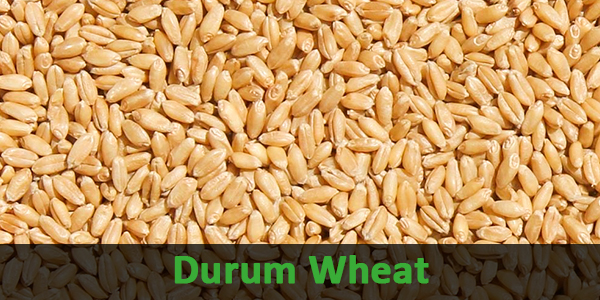
Europe
In Europe, soft wheat (Triticum aestivum) is prevalent, particularly in regions like France, Germany, and the UK, known for producing high-quality soft wheat that is ideal for pastries, biscuits, and other confectionery products.
Durum wheat is also grown, especially in Southern Europe, like Italy and Spain, where it is prized for pasta production due to its high protein content and firm texture.
European wheat is known for its consistent quality, and much of it is exported or used domestically within the EU's regulated market structure.


America
The United States is a major wheat producer with a focus on hard red winter wheat and hard red spring wheat, which are rich in gluten and favored for bread production. These varieties are primarily grown in the Midwest and Great Plains regions.
Soft red winter wheat is another important variety grown in the eastern U.S. and is often used for crackers, cookies, and cakes.
In South America, wheat production varies, with Argentina being a major producer, growing mostly hard wheat varieties used domestically and for export.
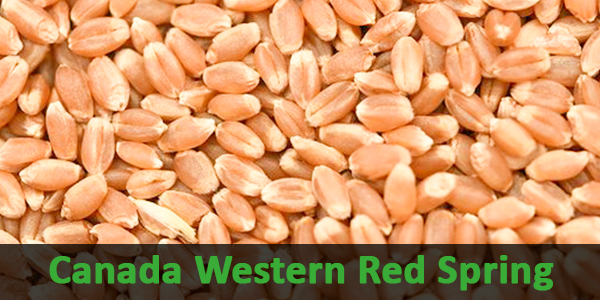
Canada
Canada is a leading exporter of high-quality wheat, particularly Canada Western Red Spring (CWRS) wheat, known for its high protein content and excellent milling and baking quality.
Durum wheat is also a key crop in Canada, especially in Saskatchewan, where it is grown primarily for pasta production. Canadian wheat is known for its strength and stability, making it popular for blending with other wheat types globally.
Canada’s climate and quality standards result in wheat with a high protein and gluten content, which is highly valued in international markets.